
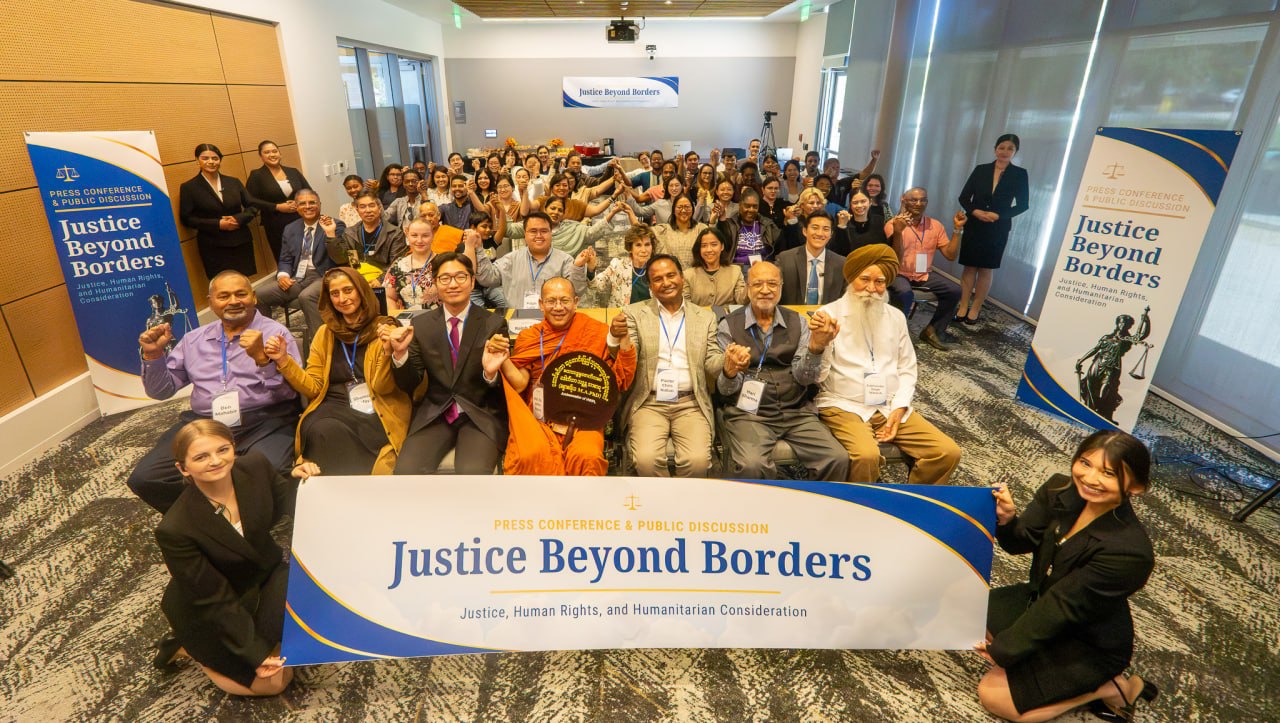
On Wednesday August 5th, the Joint Committee for Human Rights, the Rule of Law, and Religious Freedom, held a press conference bringing together journalists, human rights advocates, religious leaders, and community representatives to engage in public discussion addressing ongoing concerns regarding the pretrial detention of Chairman Lee Man-hee, a 95-year old Korean War veteran and international peace advocate, known for decades of interfaith and reconciliation work. The discussion focused on principles of justice, due process, human rights, religious liberty, social harmony, and how the community can help raise awareness and call for a fair trial and humanitarian consideration.
The panelists were asked several questions about their perspectives on the issue of due process and religious liberty in the case of Chairman Lee’s detention, along with their values and beliefs regarding human rights, social harmony, and peace. One religious leader shared their perspective on the most important principles society should uphold to protect human rights, religious freedom, and social harmony: “Social harmony, religious freedom, and education is crucial in order to achieve those ideals. It is easy to be fearful of something if one is ignorant of another’s culture and religious beliefs. We cannot tackle them [ignorance of ideals] directly, but as a society, we must acknowledge one’s own ignorance and have a heart to understand. If we are to achieve true harmony and peace, we must become people who are humble, and put our own ego and pride aside to learn about and understand one another” (Jonathan Chong, Christianity).
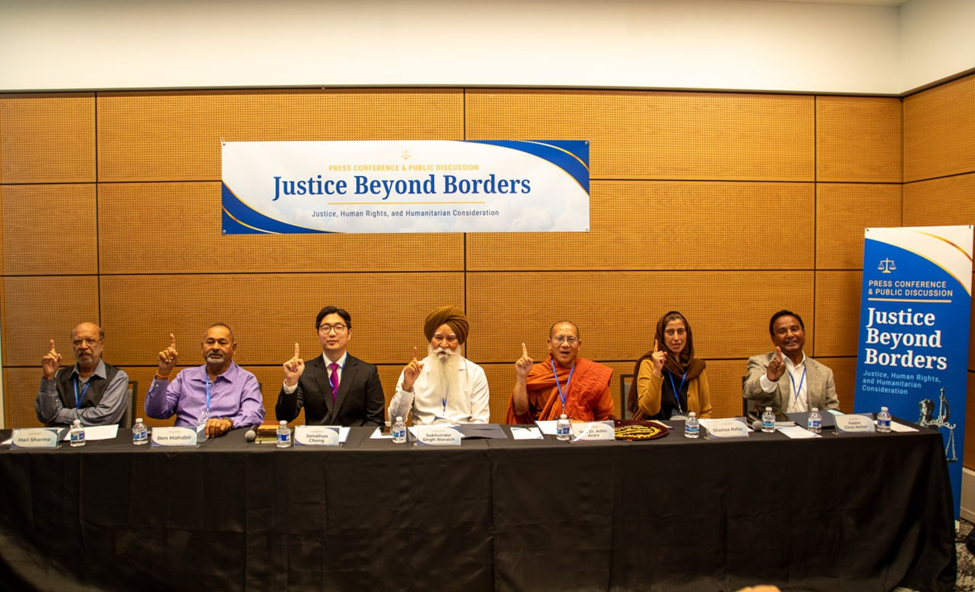
Several leaders contributed to this topic by saying, “to be harmonious, we must respect the law and the law should apply to everyone with no cherry-picking on which ones to follow…there should be due process so justice can prevail and the law can shine onto everyone to achieve love, peace, and harmony” (Sukhvinder Singh Waraich, Sikhism) and “not judging people too quickly or hate them because they are different from us. Before making a decision, we should learn to carefully respect the truth and give every person the opportunity to be heard, practice compassion and wisdom together” (Venerable Dr. Ashin Acara, Buddhism).
People across the world come from many different cultures and faith backgrounds, which tend to have various perspectives and differences in scripture when it comes to guiding believers on how to address injustice. A religious leader from the Christian faith stated, “There are a number of scriptures that guide us. We are not just called to love people of the same religion or other religions, but we must love even our enemies. True love is to teach and educate those who sinned or did wrong to you as Jesus did, teaching them the word so they can also receive salvation and kingdom of heaven” (Jonathan Chong, Christianity). Another leader also stated we should “speak with kindness, act with wisdom, understand each other, and treat everyone with fairness and respect” (Venerable Dr. Ashin Acara, Buddhism).
The press conference discussion concluded with the coalition of religious leaders, legal professionals, human rights advocates, and civil society representatives reaffirming its commitment to religious freedom, due process, and equality before the law, not in defense of any particular faith, but in support of the universal right to a fair trial and the presumption of innocence. As the judicial proceedings involving Chairman Lee Man-hee continue, participants call for equal application of the law, judgment based solely on evidence, and due consideration of humanitarian and proportionality factors given his age. Moving forward, the coalition pledges to continue its dialogue and cooperation in advancing justice, human rights, and the rule of law, guided by the broader principle that justice must be tempered with humanity, regardless of who stands before the court.